EN
EN

In precision injection molding, the core and cavity are two of the most important mold sections. They directly determine the shape, surface quality, dimensional accuracy and molding stability of the final plastic part. For manufacturers, product developers and mold buyers, understanding the function and machining requirements of the core and cavity can help reduce mold trial risks and improve production consistency.
This guide explains what the core and cavity are, how they work together, what design factors should be considered, and why accurate machining and inspection are essential for high-quality injection molds.
What Are Core and Cavity in Injection Molding?
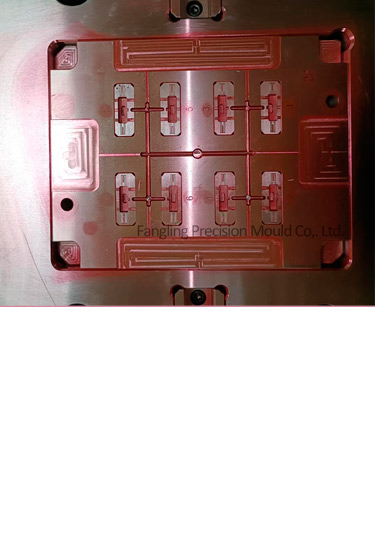
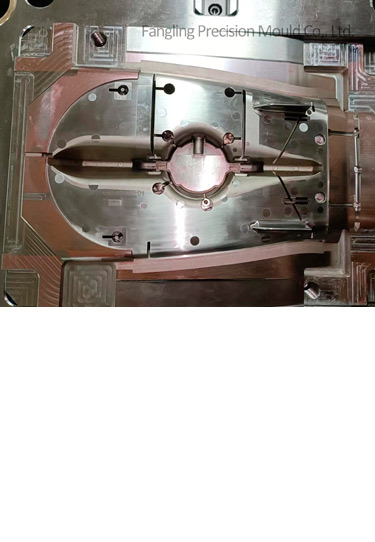
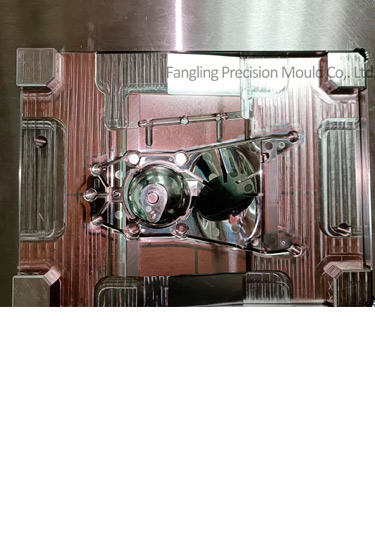
The cavity is the mold section that usually forms the external surface of a plastic part, while the core forms internal structures such as holes, ribs, slots, recessed areas and functional details. When molten plastic is injected into the mold, it fills the space between the core and cavity. After cooling and solidification, the molded part takes its final shape.
For projects that require accurate dimensions or consistent surface quality, core and cavity in injection molding must be designed and manufactured with high precision. Even a small deviation in the mold core or mold cavity can lead to flash, shrinkage, poor assembly or unstable production.
What Is the Function of Core and Cavity?
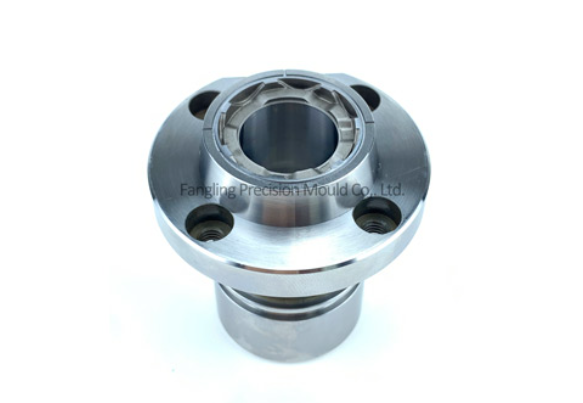
The main function of the core and cavity is to form the final geometry of the molded plastic component. The cavity controls the outer profile, appearance surface and visible details, while the core controls the internal shape and functional structures.
In many plastic parts, the core and cavity also affect demolding, cooling efficiency, wall thickness, shrinkage control and mold life. A well-designed core cavity mold can help achieve stable part quality, reduce defects and support efficient injection molding production.
Core vs Cavity: Key Differences
| Item | Core | Cavity |
|---|---|---|
| Main Function | Forms internal structures, holes, ribs and recessed features | Forms the external surface and visible shape of the plastic part |
| Design Focus | Demolding, strength, shrinkage and internal accuracy | Surface finish, appearance, external dimensions and part profile |
| Common Components | Core inserts, core pins, sliding cores and lifter cores | Cavity inserts, cavity blocks and cavity plates |
| Quality Impact | Affects assembly accuracy and internal part function | Affects appearance, surface texture and external dimensional stability |
Key Design Factors for Core and Cavity Mold Parts
Core and cavity design should be based on the molded part structure, plastic material, production volume and quality requirements. Important design factors include parting line position, draft angle, shrinkage allowance, cooling layout, wall thickness, insert structure and demolding direction.
For plastic parts with ribs, deep holes, snap-fit structures, thin walls or complex surfaces, the mold core and cavity must be designed carefully to avoid sticking, deformation, flash or dimensional instability. Good design also helps reduce later mold modification and trial costs.
How Core and Cavity Mold Parts Are Machined
Core and cavity mold parts usually require multiple machining processes. CNC milling is often used for rough and semi-finish machining. EDM sinking can support deep ribs, sharp corners and complex cavity areas. Wire cutting is suitable for precise profiles, slots and insert outlines. Grinding and polishing are used to improve fitting surfaces, flatness and surface finish.
For high-precision molds, machining is not only about forming the shape. It is also about controlling tolerance, matching surfaces, insert positions and assembly stability. This is why experienced mold part manufacturers focus on both machining process and inspection process.
Material, Tolerance and Inspection Requirements
The material of core and cavity mold parts should be selected according to resin type, production volume, surface requirements, wear resistance and corrosion resistance. Common options may include hardened tool steel, stainless mold steel, pre-hardened mold steel or customer-specified mold steel.
Before delivery, key dimensions, forming surfaces and fitting positions should be inspected according to drawings. For buyers of custom precision mould parts, this inspection process helps reduce mold trial risks and supports stable injection molding production.
When Should You Customize Core and Cavity Mold Parts?
Custom core and cavity mold parts are usually required when standard mold components cannot meet the structure, tolerance or production requirements of the plastic part. They are also commonly used for mold repair, worn-part replacement, mold modification and new injection mold manufacturing.
If a plastic component has special internal features, complex external surfaces, tight assembly requirements or high production volume, customized mold core and cavity components are often necessary to ensure stable part quality.
Why Choose Fangling for Core and Cavity Mold Parts?
Fangling manufactures custom core and cavity mold parts based on customer drawings, 3D models and mold design requirements. Our capabilities can support CNC milling, EDM sinking, wire cutting, grinding, polishing and dimensional inspection for precision injection molding projects.
By focusing on machining accuracy, fitting quality and inspection control, Fangling helps customers improve mold stability, reduce trial risks and support long-term injection molding performance.
FAQ About Core and Cavity in Injection Molding
What is core and cavity in injection molding?
The core and cavity are the main forming sections of an injection mold. The cavity forms the outer surface of the plastic part, while the core forms internal structures such as holes, ribs and recessed areas.
What is the difference between core and cavity?
The core mainly controls internal features, while the cavity mainly controls external shape and appearance. Both must be accurately designed and machined to ensure molded part quality.
Why are core and cavity mold parts important?
They directly affect part dimensions, surface finish, demolding performance, mold life and production stability.
What machining processes are used for core and cavity parts?
Common processes include CNC milling, EDM sinking, wire cutting, grinding, polishing and dimensional inspection.
Can core and cavity mold parts be customized?
Yes. They can be customized according to drawings, 3D models, material requirements, tolerance standards and mold assembly needs.
Conclusion
Core and cavity mold parts are essential to injection mold performance. Their design, material, machining accuracy and inspection quality directly influence the final plastic part. For projects that require precision, stable production and reliable mold performance, choosing the right manufacturing partner is important.
If you need custom core and cavity mold parts for precision injection molding, Fangling can manufacture mold core, mold cavity, inserts and related mold spare parts according to your drawings and project requirements.