EN
EN

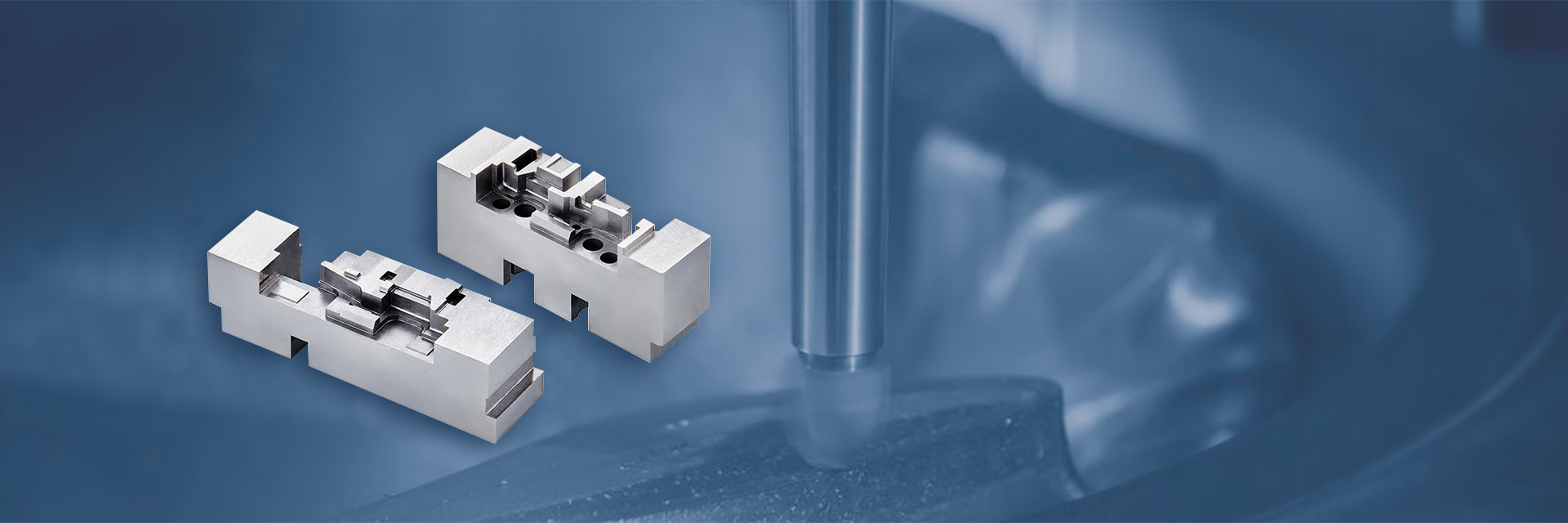
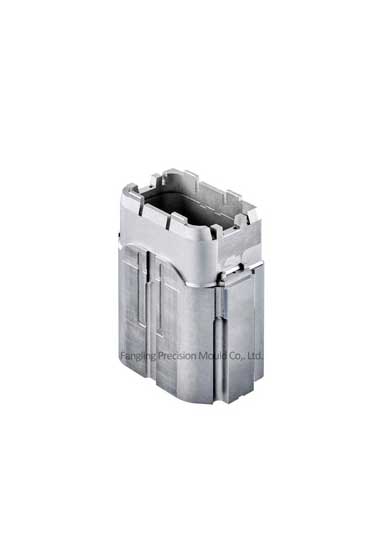
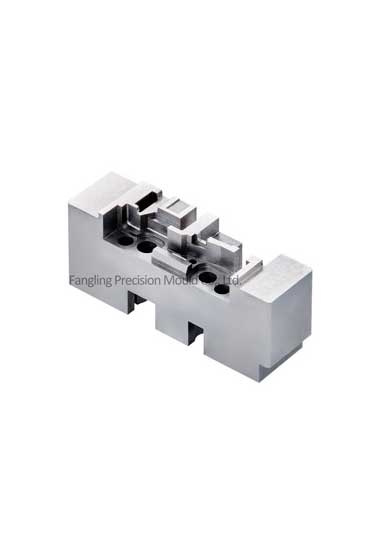
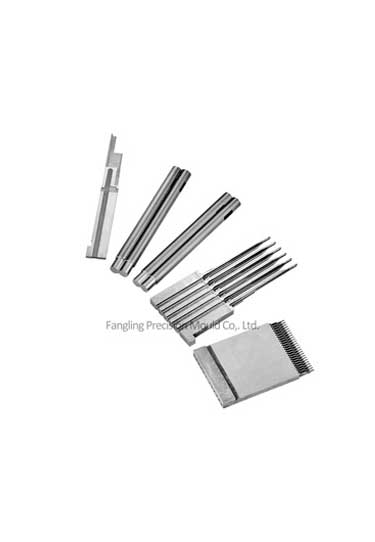
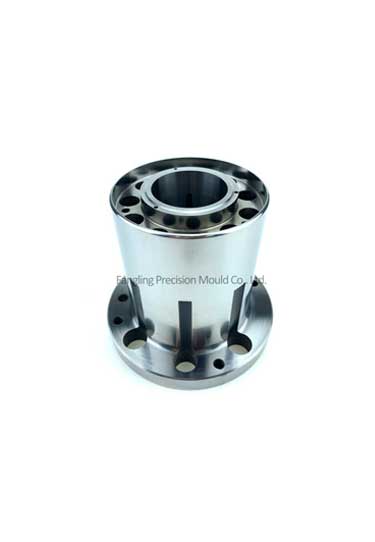
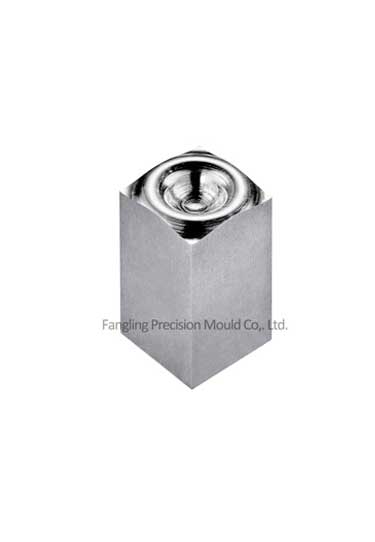
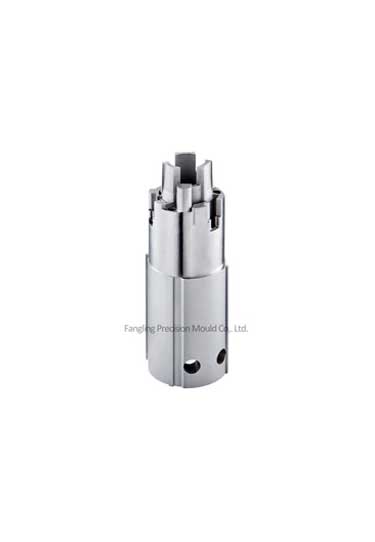
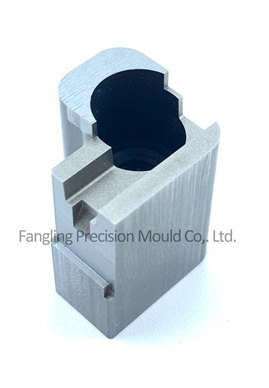
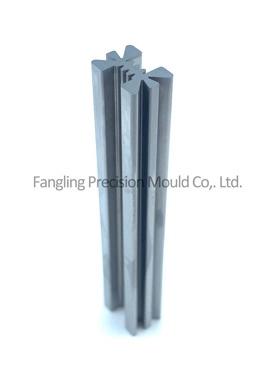
This shape of a mold is predetermined by a mould, a block that has been hollowed out. Aluminum, steel, alloys, and copper are the most common materials used to build it. It's made up of various other precision mold parts, too. Our mold spare parts include lifters and ejectors as well as guides and bushings in the form of alignment devices and pins on the base. Contact the precision moulding company and check out how Fangling's mold parts can benefit your business!
A major advantage of insert moulding is that it allows for better product design and manufacturing. It is impossible to achieve the degree of precision when inserting inserts into a mould design using any other process. To summarise, plastic parts with built-in components are significantly more reliable and durable.
Plastic components, on average, are lighter than their metal counterparts by up to 50%. There are a lot of reasons why plastic moulding has become more popular in many industries, one of the most essential of which is its strength. The economy with which fuel is utilised and the ease with which surgical equipment is used may benefit from weight reduction.
By using the insert moulding technology, it is possible to produce considerably more compact or thinner components while maintaining their strength and functionality. Using automobile parts as an example is simple enough. There will be more room in the car since the door, and console elements have been reduced in thickness.
It is possible to save money through insert moulding in various ways. To begin with, they allow for the use of raw materials that are much less costly. Resins are often less expensive than metals because of this.
Insert moulding may speed up the manufacturing process by eliminating the need for a second assembly step. A separate activity is no longer necessary since the process of introducing metal or other components are integrated into the moulding phase. These methods need specialised personnel and equipment, which results in significant time and cost savings.
Plastic resins of all kinds may be employed during the insert moulding process. Thermal plastics, which may be recycled, are included in this list. It's most common to see these three thermoplastics in one form or another. All of these materials are strong and lightweight, making them ideal for a wide range of applications, from everyday household products to heavy-duty industrial ones.
Injection moulding is a manufacturing method that is used to make plastic components. Using great pressure, molten plastic is pushed into a mould with the opposite shape to get the desired shape. Using metal, usually steel or aluminium, a mould maker constructs the mould and then precisely machines the material to obtain the desired component qualities. You can easily have an injection moulding machine spare parts list online.
It is normal practice to use injection moulding to create a wide variety of injection molding machine spare parts, from the smallest parts to the whole body panels of vehicles. Some of the services offered by liquid injection moulders include bonding, assistance with design, graphics, tool or mould making, prototype or market entry moulding, low volume production, high volume production, micro moulding, insert moulding, two-shot injection moulding, stamping services, assembly services, just-in-time capability, packaging and shipping.
Plastic components may be quickly and easily made using an injection moulding machine, allowing you to receive the injection moulding spare parts you need right away. And once you have a mould produced for the component you want, you can reuse that mould an infinite number of times to guarantee that you always have simple access to that component. It's also a good idea to have a few hot runner spare parts on hand to avoid downtime while you wait for a new component to be manufactured.
It is normal practice to use injection moulding to create a wide variety of injection molding machine spare parts, from the smallest parts to the whole body panels of vehicles.
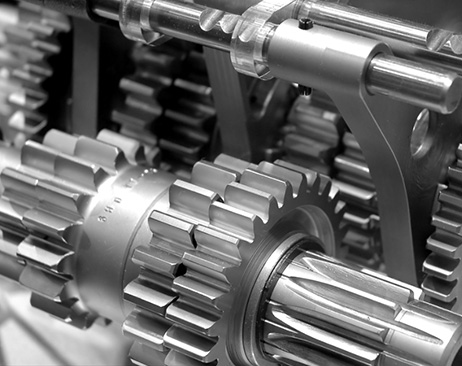
For many people, the first thing that springs to mind when discussing moulds and tooling and moulding machine spare parts is the components that are produced using processes such as blow moulds or injection moulds.
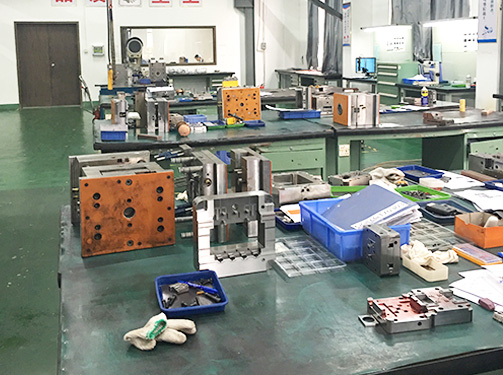
The term "mould" refers to a block that has been hollowed out in order to produce a certain shape for the completed product. A wide range of materials, including aluminium, steel, alloys, and copper, may be employed in its construction. In addition, it consists of several components.
In this area, you'll find everything from pins and bases to lifters and ejectors to guides and bushings.
Choosing the right high precision mold is critical since it has such a significant impact on the final product's look. Having a thorough understanding of what the final product will look like is essential for the creator. As a result, the whole chain would have to be sacrificed, from the tiniest components to the most important roles they serve.
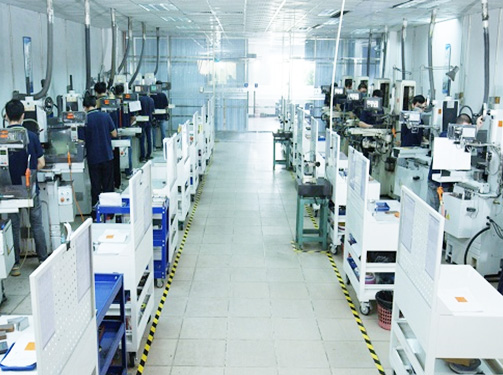
To better understand injection moulding and mould spare parts, you have a better understanding of the role that moulds play in the production process.
Any material may be pumped into a mould during the injection moulding process, which should come as no surprise. Metals, polymers, glass, and elastomers are just a few of the materials that may be employed in the manufacturing process.
Initially, the material is heated in a barrel before being poured into the mold's centre and cooled. Afterwards, the material becomes more firm when it cools, resulting in the finished product.
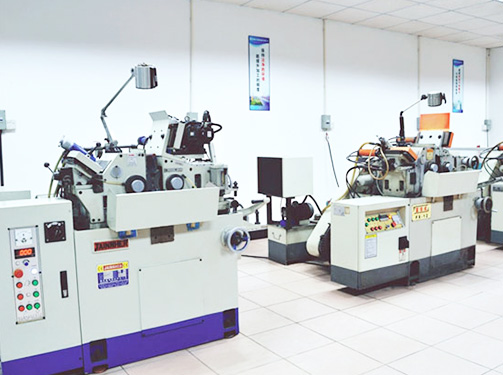
Blow moulding machine spare parts may be used to make hollow plastic components. Injection blow moulding, injection stretch blow moulding, and extrusion blow moulding are all viable options for completing this job. The plastic substance is blasted into the mould using air in each process. Afterwards, the plastic cools down, resulting in the final product.
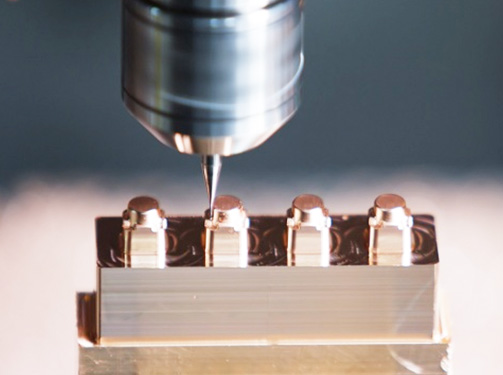
Finding and acquiring the numerous injection molding spare parts and pieces of equipment required to construct something is what tooling involves. To name just a few, the most popular subfields are cutting patterns, equipment and jigs/fixtures, as well as gauges, dies, moulds, and dies themselves.
Make sure to keep in mind the impact the tooling process has on both product quality and the overall cost of the project. Because of this, if you are in charge of the process, you must proceed with extreme care.
A mold is a hollowed out block that sets the shape of the product being made. It can be made of different materials, the most common of which are aluminum, steel, alloys and copper. It also has different components. These components include pins, bases, lifters, ejectors, guides, bushings, and alignment devices
Injection moulding uses a special-purpose machine that has three parts: the injection unit, the mould and the clamp.
Guide pins and bushings. These provide the primary alignment of the mold halves. Parting line interlocks. These provide the precise centerline alignment between the A, B, and stripper plates.